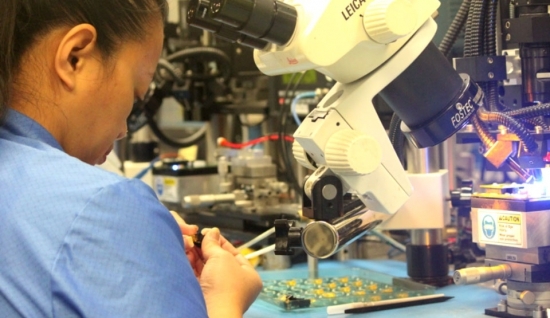
Modern industries rely on faster data transfer, advanced imaging systems, and precise communication technologies more than ever before. Behind many of these innovations is the work of a specialized photonics solutions company that develops and integrates optical technologies for industrial, medical, and communication applications.
Companies like Inneos play a critical role in designing systems that use light for transmitting data, improving imaging quality, and supporting complex operational environments. While photonics may sound highly technical, its applications are already shaping industries such as healthcare, manufacturing, aerospace, and defense.
This article explores what a photonics solutions company actually does, how optical technologies work, and why these solutions are becoming increasingly important across modern industries.
Understanding Photonics and Optical Technologies
Photonics refers to the science and technology of generating, controlling, and detecting light. Similar to how electronics uses electrons, photonics uses photons to transfer information and energy. This field includes technologies such as lasers, fiber optics, optical sensors, imaging systems, and optical communication networks.
A photonics solutions company develops products and systems that help businesses use these technologies efficiently. These companies often work on custom engineering projects, optical integration, and advanced communication systems that support demanding industrial environments.
The increasing demand for faster data speeds and more reliable communication has made photonics an essential part of modern infrastructure.
What Does a Photonics Solutions Company Actually Do?
A photonics solutions company provides design, engineering, manufacturing, and integration services related to optical technologies. Their work often involves creating systems that can transmit data at high speeds, improve imaging performance, or support complex equipment operations.
For example, Inneos specializes in optical technologies that support healthcare systems, industrial applications, and high-performance communication environments.
The work typically includes:
- Designing fiber optic systems
- Developing optical interconnect solutions
- Creating embedded optical technologies
- Supporting fiber optics integration
- Building high-speed communication systems
- Manufacturing custom components
- Providing turnkey optical solutions
These services help organizations improve reliability, reduce interference, and support advanced operational requirements.
The Role of Industrial Fiber Optics in Modern Industries
One of the most important areas within photonics is industrial fiber optics. Fiber optic systems transmit information using light signals through ultra-thin glass or plastic fibers. Compared to traditional copper cables, fiber optics provide higher bandwidth, faster transmission speeds, and improved resistance to electromagnetic interference.
Industrial environments often require communication systems that can operate reliably under demanding conditions. Fiber optic technologies are widely used in sectors such as:
Manufacturing
Factories use industrial fiber optics for automation systems, robotics, machine monitoring, and real-time data transmission. Optical systems help improve operational efficiency while minimizing signal loss.
Aerospace and Defense
High-performance optical communication systems are essential in aerospace and defense environments where reliability and speed are critical.
Healthcare
Medical environments rely on advanced imaging and communication systems to support surgical procedures and patient monitoring technologies.



Why Optical Interconnect Solutions Matter
As data demands continue to increase, businesses need more efficient ways to connect systems and devices. This is where optical interconnect solutions become important.
Optical interconnect systems use light instead of electrical signals to transfer information between devices, servers, and communication systems. These technologies help reduce latency, improve bandwidth, and support large-scale data transfer.
Benefits of Optical Interconnect Solutions
- Faster Data Transmission: Optical systems can transmit data at significantly higher speeds than traditional copper-based systems.
- Reduced Signal Interference: Optical fibers are immune to electromagnetic interference, which improves reliability in industrial environments.
- Higher Bandwidth Capacity: Organizations managing large amounts of data benefit from the greater capacity offered by optical systems.
- Improved Scalability: Fiber optic systems can support future expansion more effectively than traditional infrastructure.
A high-speed optical communication company often focuses on developing these technologies for industries that require fast and reliable data movement.
Embedded Optical Technologies and Their Applications
Another important service offered by a photonics solutions company involves embedded optical technologies. Embedded systems integrate optical communication capabilities directly into devices, equipment, or operational systems.
These technologies are commonly used in:
- Medical equipment
- Industrial machinery
- Military systems
- Robotics
- Surveillance
- Advanced imaging systems
For example, embedded optical solutions can help organizations integrate optical communication directly into their operational hardware, improving performance while reducing system complexity.
Embedded optical technologies are especially valuable in environments where space, speed, and reliability are critical.
How Photonics Supports Modern Healthcare
Healthcare is one of the industries where photonics technologies are creating significant advancements. Optical communication and imaging systems help improve operational efficiency, imaging quality, and patient care.
Smarter Operating Rooms
Modern operating rooms depend on advanced communication systems to support imaging devices, surgical equipment, and real-time collaboration.
Solutions like smarter operating rooms demonstrate how optical technologies can improve workflow efficiency and support integrated medical systems.
Medical Imaging
Photonics technologies are widely used in diagnostic imaging systems such as:
- Endoscopy
- Microscopy
- Laser imaging
- Surgical visualization systems
Data Management
Hospitals and healthcare facilities require secure, high-speed communication systems to manage patient records, imaging data, and monitoring systems.
Fiber optic communication systems help support these growing data requirements.

Why High-Speed Optical Communication Is Growing
The global increase in digital connectivity has created strong demand for faster communication systems. A high-speed optical communication company helps organizations meet these growing performance expectations.
Increasing Data Consumption
Cloud computing, video streaming, artificial intelligence, and industrial automation all generate massive amounts of data. Optical communication systems support the infrastructure needed to manage these workloads.
Smart Manufacturing and Industry 4.0
Modern manufacturing facilities rely on real-time communication between machines, sensors, and operational systems. Fiber optics provide the speed and reliability needed for these applications.
Advanced Medical Technologies
Healthcare facilities increasingly depend on high-speed communication systems for diagnostics, imaging, and surgical support.
Data Centers and Networking
Large-scale data centers require optical interconnect solutions to maintain efficient communication between servers and storage systems.
The Importance of Custom Engineering in Photonics
Every industry has different operational requirements, which is why many photonics projects involve custom engineering. A photonics solutions company often works closely with clients to develop systems tailored to their technical and environmental needs.
Key Areas of Customization
Environmental Conditions
Industrial systems may need protection from temperature changes, vibration, moisture, or electromagnetic interference.
Bandwidth Requirements
Communication systems must be designed to handle specific data volumes and transfer speeds.
Equipment Compatibility
Optical systems often need to integrate with existing operational infrastructure.
Space Limitations
Compact optical solutions may be required for medical devices or embedded systems.
Custom optical engineering helps organizations improve performance while ensuring long-term system reliability.
What Makes a U.S.-Based Optical Solutions Manufacturer Valuable?
Many organizations specifically seek an optical manufacturer based in the U.S. because of quality control, engineering standards, and domestic manufacturing capabilities.
Working with a U.S.-based manufacturer may offer several advantages:
- Faster project communication
- Stronger quality assurance processes
- Better regulatory compliance
- Improved supply chain visibility
- Easier collaboration on custom projects
Companies operating in healthcare, aerospace, and defense often prioritize reliable manufacturing partnerships due to strict operational standards.

The Future of Photonics Technology
Photonics technology continues to evolve rapidly as industries demand faster communication, better imaging systems, and more advanced automation capabilities.
Emerging Trends in Photonics
Artificial Intelligence Integration: AI systems require high-speed data processing infrastructure supported by optical communication technologies.
Increased Medical Innovation: Photonics is expected to play a larger role in surgical systems, diagnostics, and minimally invasive procedures.
Data Center Expansion: Growing cloud infrastructure will continue driving demand for optical interconnect solutions.
Advanced Industrial Automation: Factories and industrial environments are increasingly adopting optical communication systems to support automation and real-time monitoring.
As these trends continue, the role of a photonics solutions company will become even more important across multiple industries.
Conclusion
A photonics solutions company does far more than manufacture optical components. These organizations design, engineer, and integrate advanced communication and imaging systems that support industries ranging from healthcare and manufacturing to aerospace and telecommunications.
Companies like Inneos help businesses implement technologies such as industrial fiber optics, embedded optical systems, and optical interconnect solutions that improve reliability, speed, and operational performance.
As industries continue adopting data-intensive technologies, the need for high-speed optical communication systems and customized photonics solutions will only continue to grow.
To learn more about optical technologies and custom engineering services, visit our contact us page.